
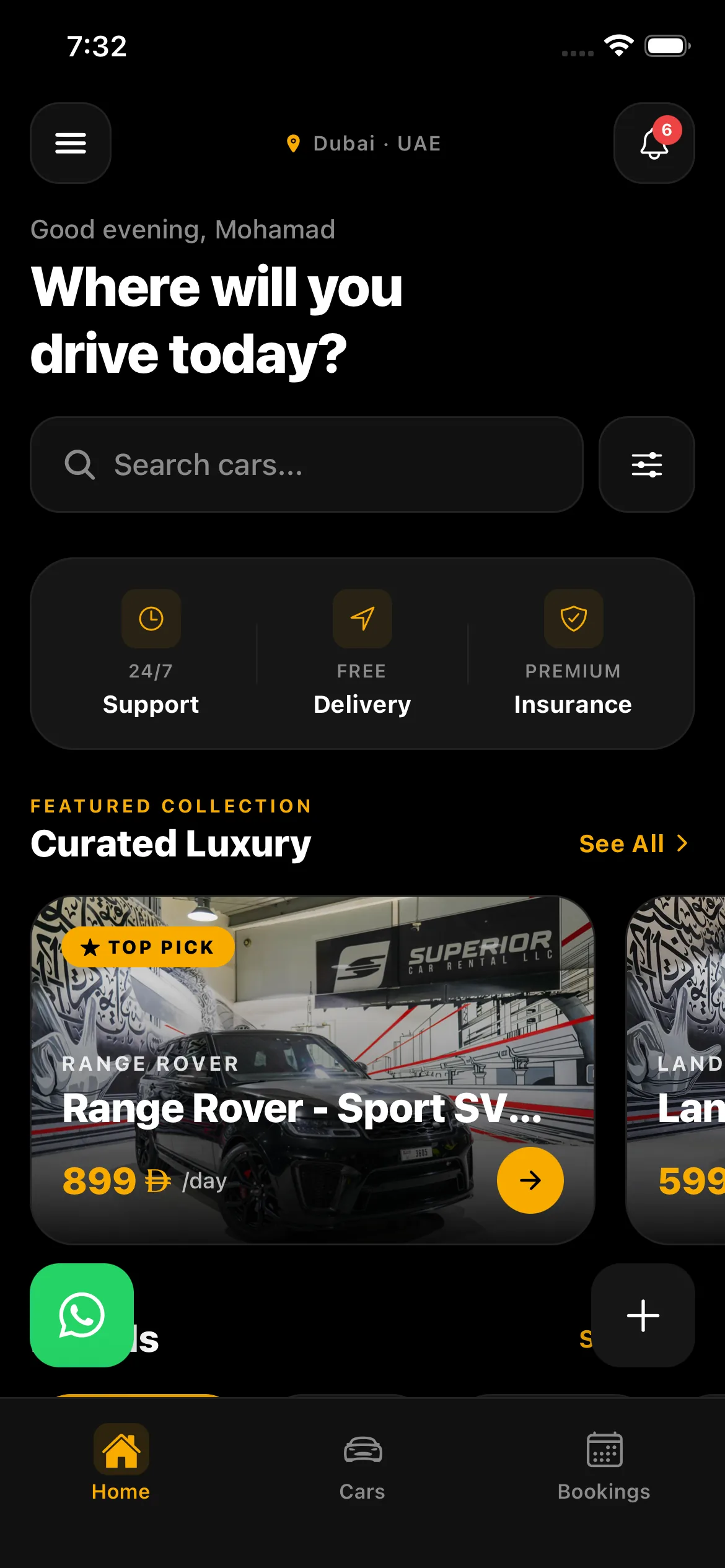
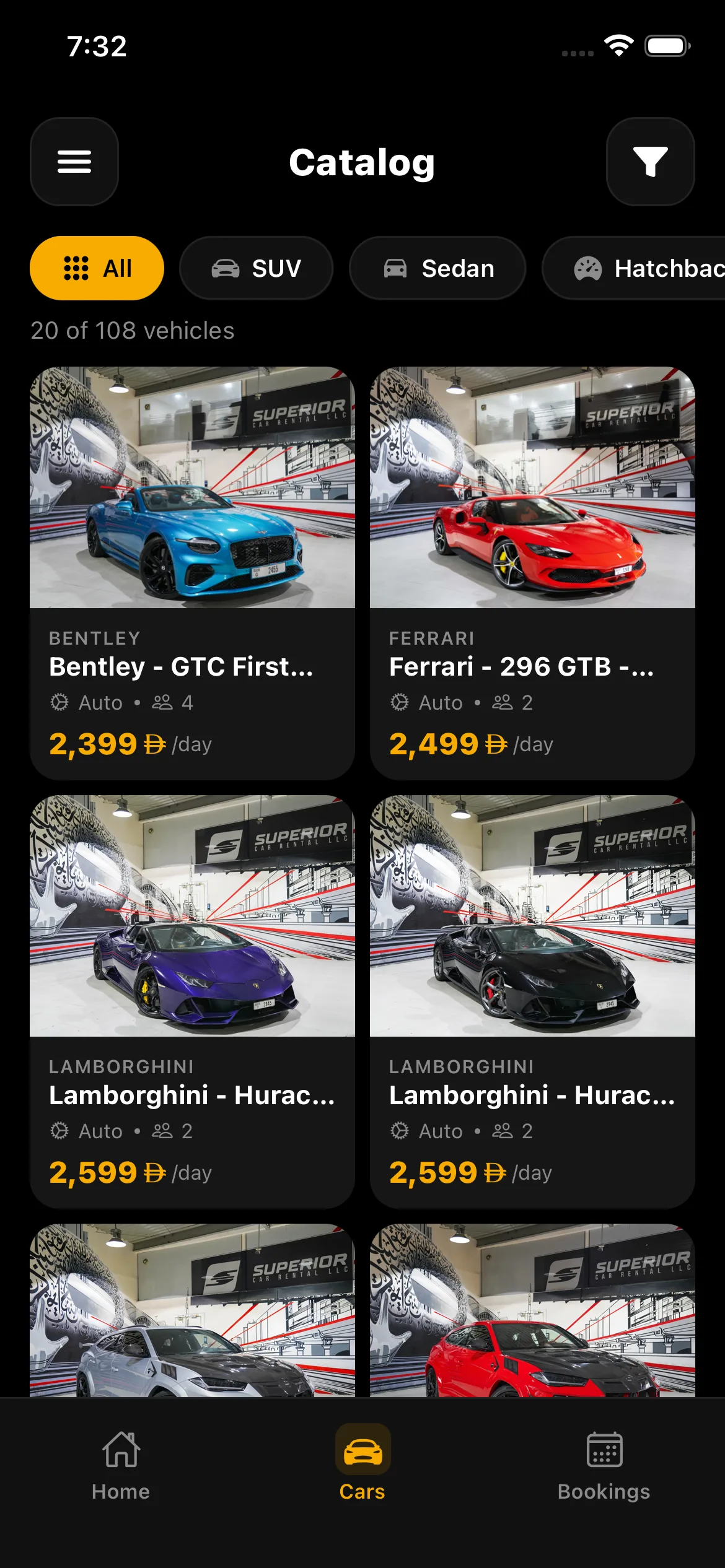
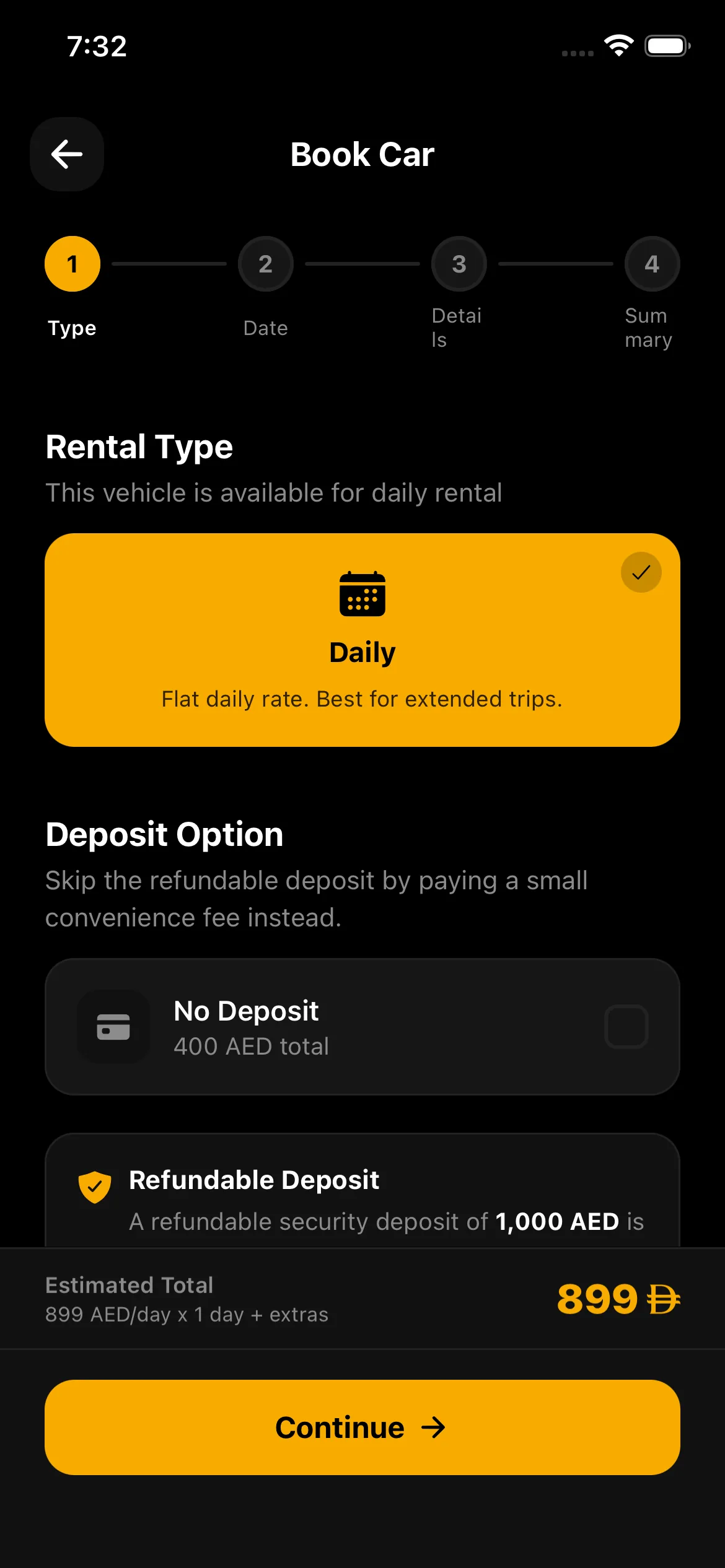

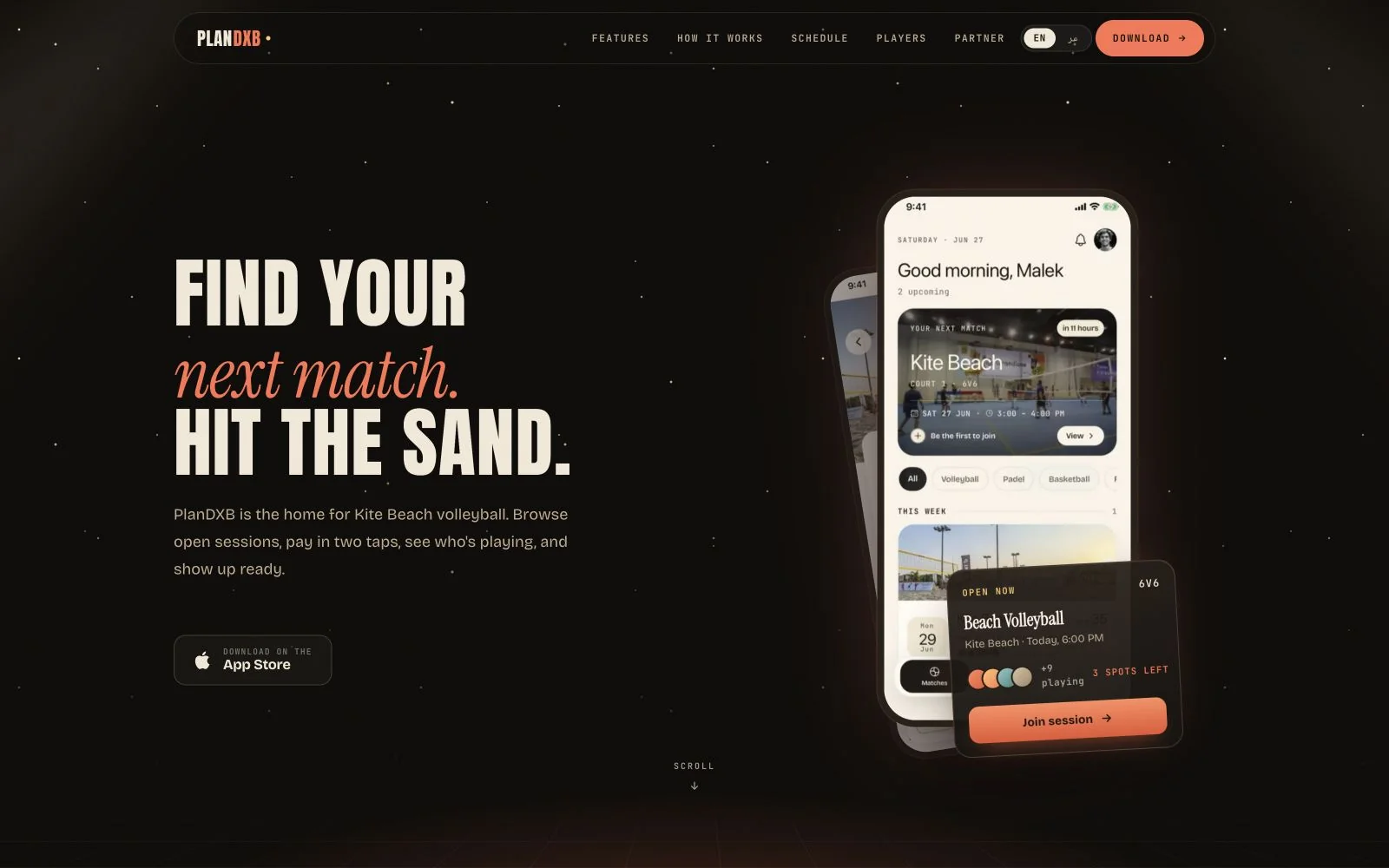

(✦) — Mobile Apps

Mobile apps with a clear first release and a plan beyond it.

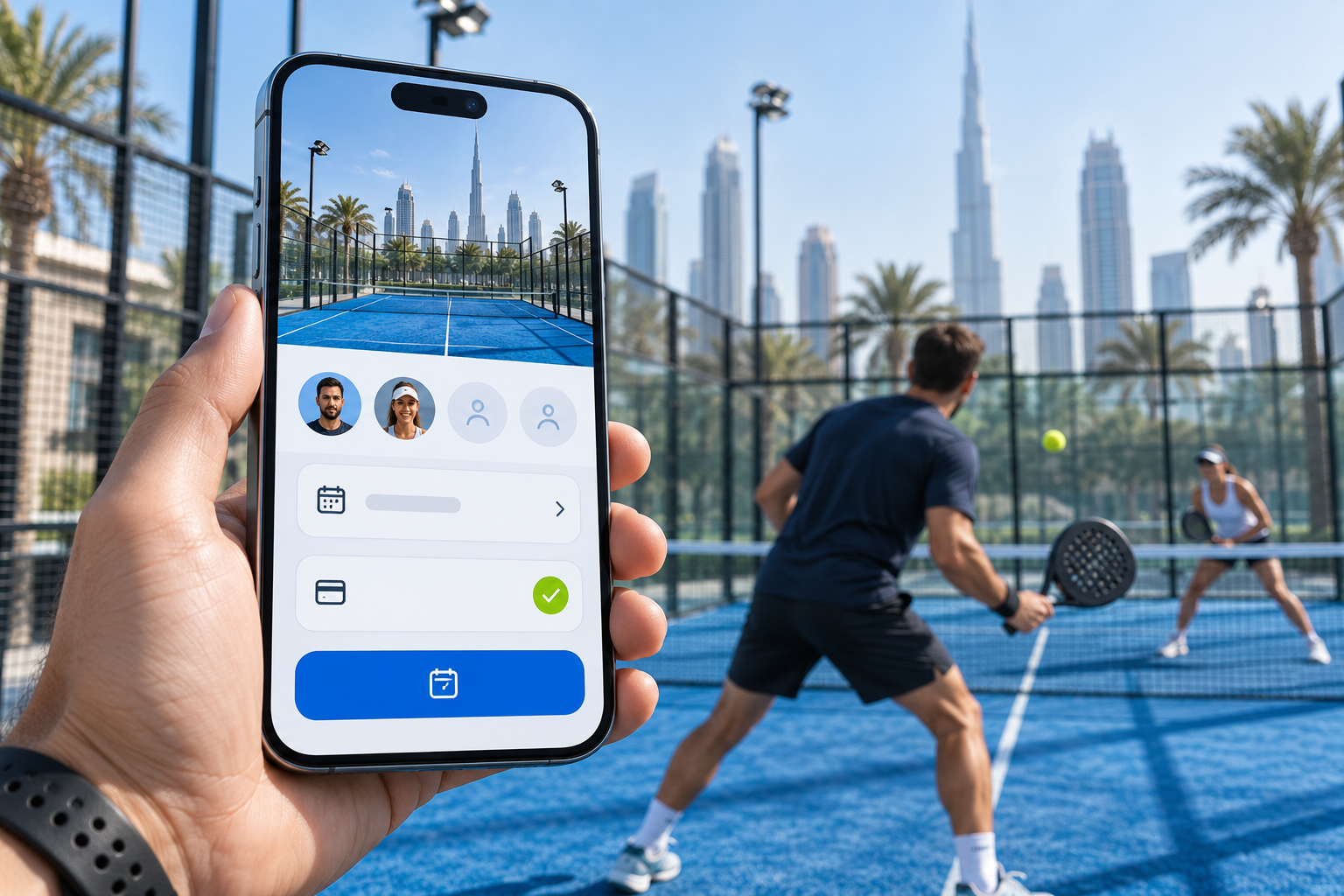
Plan an iOS and Android application around a useful first release. We scope user journeys, languages, backend access and device testing alongside store submission and ongoing operation.

  • iOS
  • Android
  • React Native

iOS · Android · React Native · UAE & GCC

Sculptural illustration of an ivory smartphone and a maker arranging an abstract touch interface.

A mobile app with defined user journeys, tested releases and a documented plan for operation after launch.

See the work

(01) — Selected work

Work that speaks for itself.

(✦) — The real problem

Why most UAE mobile apps quietly fail

The UAE mobile market is technically demanding. Users expect sub-2-second load times, flawless Arabic support, local payment options, and app behaviour calibrated to how people in this region actually interact with their phones. Generic cross-market app templates don't deliver that.

01

Poor Arabic UX

RTL isn't a checkbox. Most apps flip the layout but forget about date formats, number display, keyboard behaviour, and Arabic-specific UX patterns.

02

Missing local payments

No Tabby, no Tamara, no Apple Pay NFC support. UAE users abandon checkout when their preferred payment method isn't available.

03

Slow on real devices

Performance benchmarked on flagship devices in foreign markets. Deployed to mid-range Android phones on UAE networks. The gap is always worse than expected.

04

No retention strategy

The app launches. Downloads spike. Then installs flatline, daily active users collapse, and the App Store rating drifts toward 2.8 stars.

iOS / Android

Platform choice

Target devices and releases agreed in scope

Code

Documented handover

Assigned work and third-party licences distinguished

Release

Acceptance checklist

Submission remains subject to store review

(✦) — What we build

Every layer of a production-grade mobile app

Cross-platform (iOS + Android)

React Native shares application code across iOS and Android. Platform-specific features, dependencies, release checks and store review still need separate attention.

Arabic-first RTL design

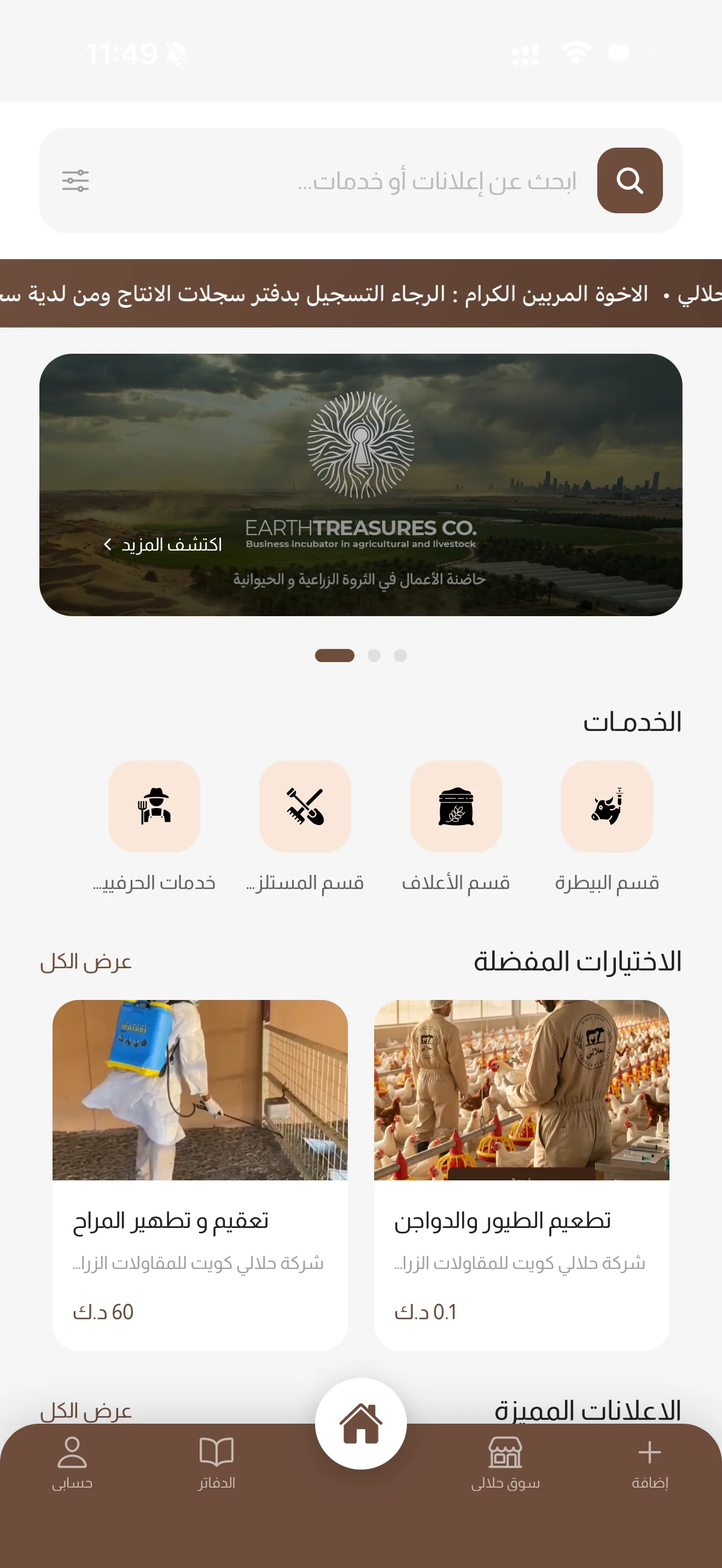
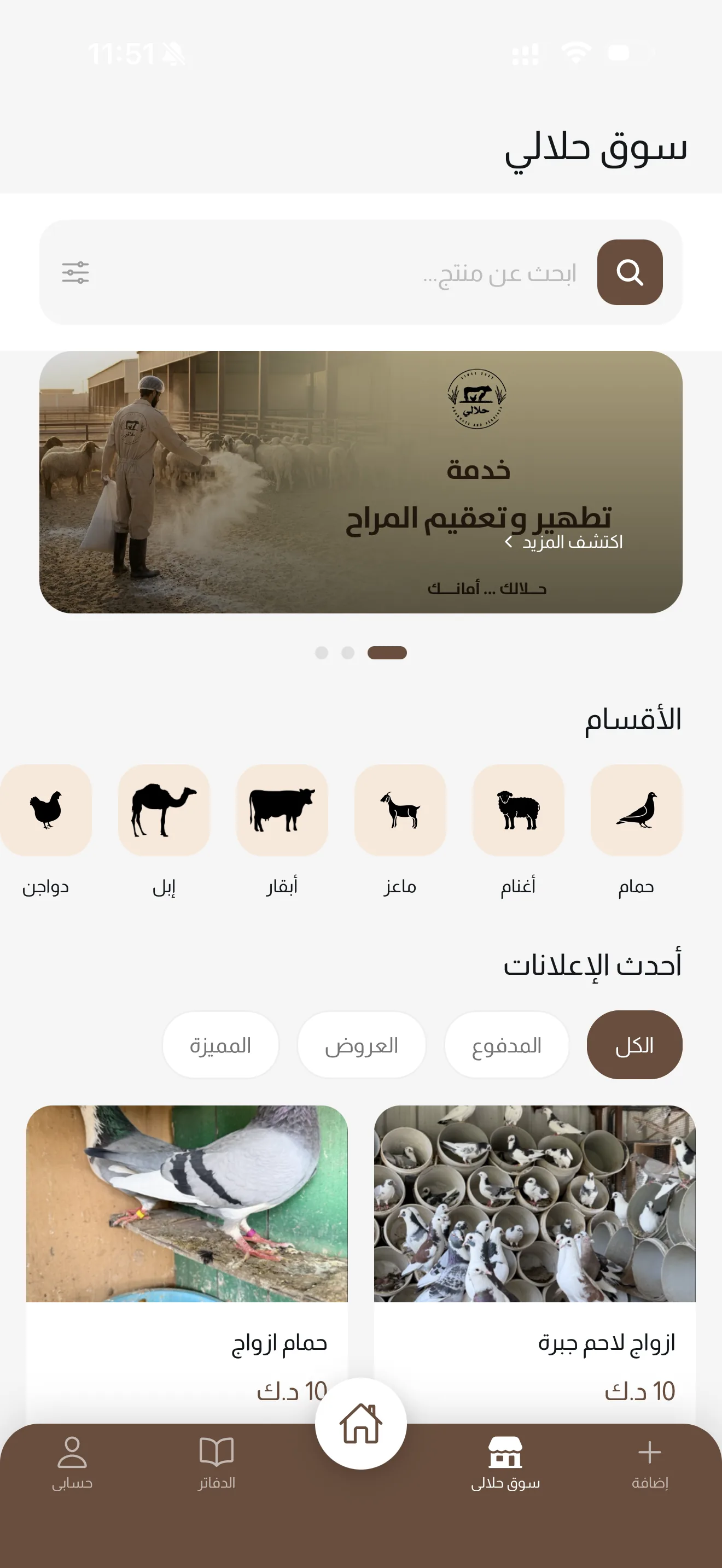
Arabic and English user journeys are reviewed alongside each other, including RTL layout, mixed-direction text, forms and navigation.

UAE payment stack

We assess the payment methods relevant to the app, confirm merchant eligibility and provider terms, then scope integration and acceptance testing.

Push notifications

Notification audiences, triggers, timing, permissions and deep links are defined from the agreed product requirements and tested scenarios.

Offline-first architecture

We specify which tasks can run offline, what data may be cached and how conflicting changes are reconciled when connectivity returns.

App Store Optimisation

Listing copy, screenshots and relevant search terms are scoped for the target stores and languages. Installs, ranking and approval are not guaranteed.

Analytics & session tracking

We agree which funnel, engagement, crash and retention events are useful, then configure monitoring with the approved data collection, access and privacy requirements. Session recording is included only when explicitly agreed.

Admin dashboard

A web-based admin panel for managing app content, user accounts, push campaigns, and analytics — without involving a developer for routine updates.

User tasks, accounts and backend

Agree the core task, account roles, required content and administration. Decide whether the existing backend can support the app. Payments, notifications and offline work need specific behavior and failure cases, not a generic feature list.


Platform and language choices

React Native can share implementation across iOS and Android while retaining platform-specific work where required. Test Arabic and English navigation, mixed-direction input, accessibility and keyboard behavior on the supported devices.

Connect and test the whole system

Confirm API access, merchant eligibility and the responsibilities for user data. Test network interruption, permissions, interrupted payments and duplicate requests. The agreed test matrix records device and OS versions and identifies coverage gaps.

Release, review and ownership

Agree developer-account access, listing assets, privacy inputs, submission responsibilities and release approval. Stores control their own review; dates and approval cannot be guaranteed. Handover and support terms are set in the agreement.

(03) — How we approach it

We identify the task users need to complete, review the available product evidence and agree the first-release scope. Languages, supported devices, payment requirements and backend dependencies shape the design and test plan; assumptions are checked rather than presented as proven UAE-wide behaviour.

(04) — What's included

  • iOS (App Store) + Android (Google Play) from a single codebase
  • Arabic RTL interface with proper Bidirectional text support
  • Payment integration assessed against platform and merchant eligibility
  • Push notification infrastructure with segmented audience support
  • Offline behaviour for the agreed features and synchronisation rules
  • App Store Optimisation (ASO) for Arabic and English search
  • Backend API design and third-party integration
  • Crash and performance monitoring, with analytics scoped to approved data and privacy requirements
  • Store submission preparation and review support within the agreed scope
  • Support duration, coverage and start date defined in the proposal and contract

— Pricing

Published, fixed, and agreed before we start.

App budgets vary more than any other service we offer, so we publish both ends honestly rather than quoting a headline figure nobody hits.

  • Focused app

    AED 20,000 – 45,000

    Login, a core feature set, payments and push notifications — the shape of most first releases.

  • Feature-rich app

    AED 50,000 – 100,000+

    Custom backend, multiple user roles and complex integrations. Scoped in a working session before anything is quoted.

Paid in three stages: a deposit to start, a milestone payment at design approval, and the balance on launch.

The accepted proposal defines the price, deliverables and exclusions. Changes, usage rights, third-party charges and support terms are agreed explicitly.

(05) — Delivery checkpoints

From agreed scope to reviewed delivery

Each stage has a deliverable and an approval point. The proposal assigns responsibilities and the schedule.

Define the first release

Choose users, tasks, languages, platforms and backend requirements.

What you review

  • Release scope

Checkpoint: Agree essential features and deferred work.

Review and build journeys

Prototype the key screens, then implement app and backend connections.

What you review

  • App preview

Checkpoint: Review the principal task on the selected platforms.

Test devices and failures

Check the agreed devices, permissions, networks and payment conditions.

What you review

  • Device test record

Checkpoint: Confirm release-blocking issues are resolved.

Prepare store submission

Confirm accounts, listings, privacy information and review responsibilities.

What you review

  • Submission and handover package

Checkpoint: Approve submission; store review remains external.

(✦) — Why NxFold

Built for the UAE market, not adapted to it

We scope the app around its intended users: languages, supported devices, payment eligibility and operational requirements. Those decisions shape the first wireframes and the acceptance tests.

  • Real Arabic UX

    We include Arabic layout, mixed text, forms and navigation in the review plan. Calendar, numeral and content-review requirements are agreed for the intended audience.

  • Payment feasibility before build

    Provider APIs, merchant approval, platform rules and test credentials are checked before a payment method becomes a committed deliverable.

  • Performance on real UAE hardware

    We agree a device and network test matrix using audience data where available, and report the actual devices and conditions tested.

  • One team, end to end

    The proposal assigns responsibility for product design, app and backend development, store submission and support, including any external dependencies.

  • Fixed scope, fixed price

    We agree on the feature set before writing a line of code, and we price it as a fixed deliverable — not an open-ended hourly engagement that expands without warning.

(✦) — Industries we serve

Mobile apps across UAE sectors

01

Retail & E-Commerce

Shopping apps with product catalogs, wishlists, loyalty schemes, and UAE payment options including buy-now-pay-later.

02

Food & Delivery

Order management, real-time tracking, kitchen displays, and driver assignment apps for F&B businesses across the UAE.

03

Healthcare & Clinics

Appointment booking, telemedicine interfaces, prescription management, and patient portals compliant with UAE health data requirements.

04

Real Estate

Property search with map views, virtual tour integrations, enquiry management, and agent CRM tools for Dubai and UAE property businesses.

05

Finance & Fintech

Secure banking interfaces, investment dashboards, payment apps, and wallet products built to UAE financial regulation standards.

06

Education & E-Learning

Course delivery apps, progress tracking, live class streaming, and certificate management for UAE education providers.

07

Logistics & Fleet

Driver apps, dispatch management, route optimisation, and delivery confirmation tools for UAE logistics businesses.

08

Hospitality & Tourism

Hotel guest apps, booking management, concierge services, and tour product platforms for the UAE's world-class hospitality sector.

(✦) — Where we deliver Mobile App Development

(✦) — Explore next

(06) — FAQ

Questions, answered.

Everything you need to know before we start.

  • Do you build iOS and Android apps separately?

    We use React Native where a shared codebase fits the product. Native modules and platform-specific work may still be needed, and iOS and Android releases remain subject to their own testing and store review. A fully native build can be considered during scoping.

  • Will I need a backend/server for the app?

    Many apps need a backend for data, accounts or integrations. We scope those responsibilities together with the app, then confirm hosting, access, licences and handover rights in the agreement. Existing backend systems can also be assessed for reuse.

  • Can you rebuild or improve our existing app?

    Yes. We start with an audit of your current app — reviewing code quality, performance profiling, user analytics (if available), and App Store reviews. We identify what's working and what isn't, and propose the most efficient path to improvement: targeted rebuild of specific flows, full rewrite, or in some cases, extending the existing codebase.

  • How much does mobile app development cost?

    A focused mobile app (login, core feature set, payment, push notifications) typically starts from AED 20,000–45,000. Feature-rich apps with custom backend, multiple user roles, and complex integrations range from AED 50,000 to AED 100,000+. We provide fixed-price proposals after a scoping session — not open-ended hourly billing.

  • How long does mobile app development take?

    A scoped MVP is typically estimated at 8–14 weeks to submission; more complex apps at 16–28 weeks. Content, integration access and approval dependencies affect the schedule. Apple and Google control their review times, which can vary and are not guaranteed by NxFold.

  • Can the app support Arabic and English?

    Yes. We scope Arabic and English screens and review RTL layout, mixed text, date and number display, forms and keyboard behaviour. Content ownership, translation and the language review process are agreed before release.

  • Which UAE payment methods can you integrate?

    We can assess cards, wallets and buy-now-pay-later providers relevant to your app. Availability depends on merchant eligibility, platform rules and provider APIs. The selected methods and tests are committed only after that review; we do not claim prior delivery of every provider.

  • What is App Store Optimisation (ASO)?

    ASO concerns the app listing’s relevance and presentation: title, descriptions, screenshots, categories and language-specific search phrasing. We agree the deliverables and monitor available listing data; improved ranking or lower acquisition cost is not assumed.

  • Do you handle App Store and Google Play submission?

    We can prepare the agreed listing assets and build submission, and support responses to review feedback. The client supplies accurate business, privacy and content information and controls the developer accounts. Apple and Google make the final approval decision.

  • What happens after the app launches?

    The proposal and contract state the included support period, what it covers and when it starts. Feature additions, OS compatibility work and ongoing monitoring are scoped separately. There is no automatic 60-day support term for every app.

  • Can the app work offline?

    Yes, when the feature set warrants it. We implement offline-first architecture for apps where connectivity is unreliable — local data caching, conflict-resolution logic for syncing when connection returns, and graceful degradation of features that require internet. Important for the UAE context where users are frequently in covered parking, elevators, or on metro.

  • How do you handle push notifications?

    We implement segmented push notification infrastructure using services like Firebase Cloud Messaging. This allows you to send targeted notifications by user segment, geographic area, behaviour trigger, or time of day. Deep linking from notifications takes users directly to the relevant in-app screen rather than the home screen.

  • Can the app integrate with our existing business systems?

    Yes. We connect mobile apps to your existing CRM, ERP, inventory management, booking system, or any platform with an API. During scoping we document all integration requirements and confirm feasibility before the project starts — no surprises mid-build.

  • Do you test the app on real UAE devices?

    We agree supported devices and network scenarios from your product requirements and available audience data. The test record identifies real devices and simulators used, their conditions and any gaps; market-wide device coverage is not assumed.

  • What makes a mobile app successful in the UAE market specifically?

    Start with the target users and the task the app solves. Review language, device, accessibility, payment and support needs with evidence from that audience. Different businesses need different combinations; no single payment method or interface choice guarantees success across the UAE.

(✦) — Start your mobile project

Your users are on mobile. Is your app worthy of them?

Send the requirements, existing systems and target date. We will review the scope, dependencies, price and delivery schedule with you.

Dubai · Abu Dhabi · Sharjah · GCC · International

(✦) — Contact

Have an idea? Let's make it real.

Tell us about your project and we'll get back to you within 24 hours.

Senior designers and engineers are your project team, from brief to launch. You'll always talk to the people actually building it.

Your project brief

A clear next step for your project.

  • Free quote within 24 hours
  • No commitment, no pressure
  • Fixed timeline & price upfront
Start a project

Talk to us directly