Creator Platforms
11 min read
Website Design for Creators in Dubai That Converts Followers
A practical guide for Dubai creators who want a personal brand website that sells services, captures leads, and grows beyond social media.
By NxFold
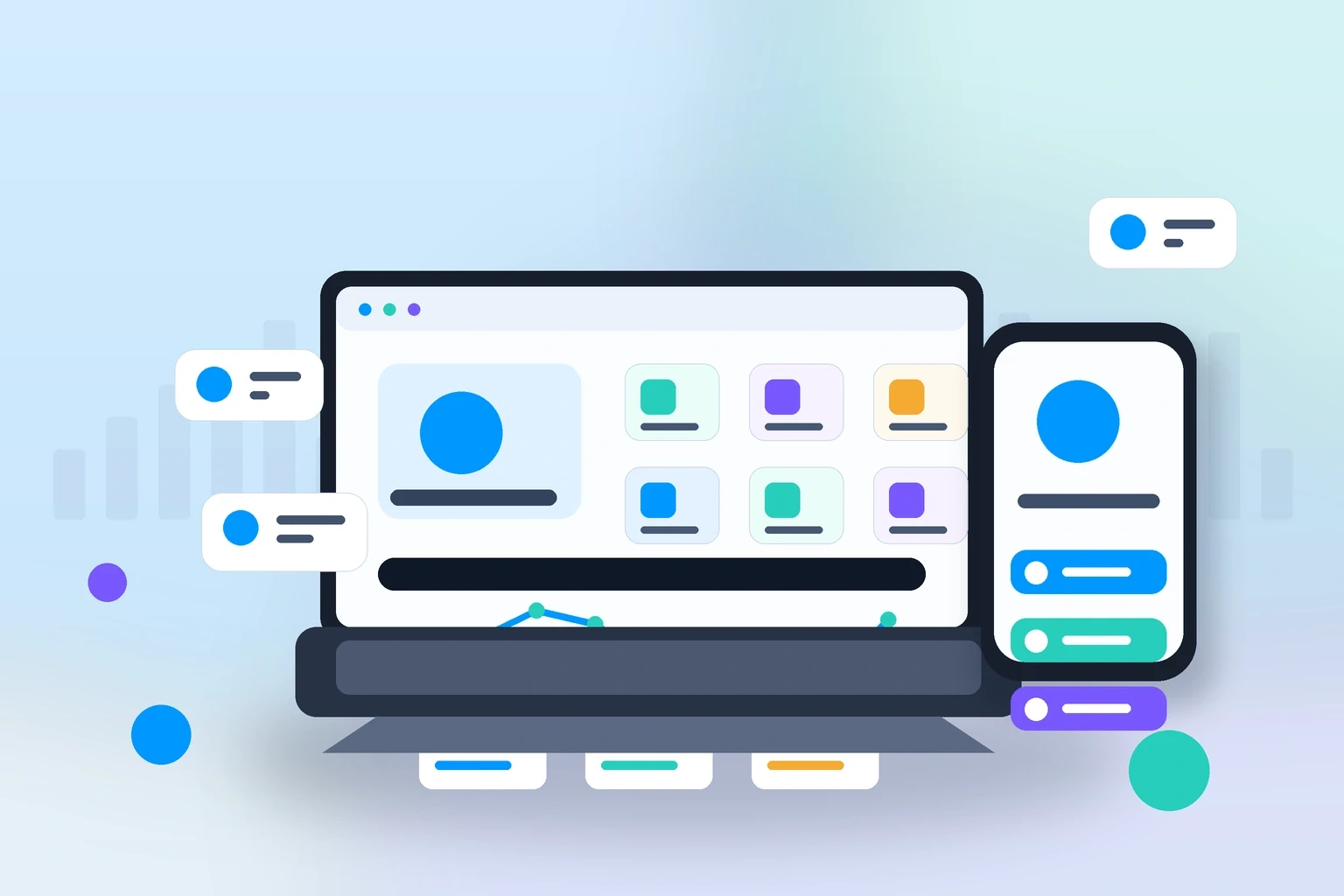
A creator website is not just a prettier version of your Instagram, TikTok, YouTube, or LinkedIn profile. For a serious creator in Dubai, it should act like a controlled business asset: it explains what you do, proves why you are worth trusting, captures enquiries, supports partnerships, and gives people one clear next step.
Social platforms are excellent for reach, but they are not built around your commercial journey. A visitor may like your content, then disappear into the feed. A well-designed website turns that moment of attention into a structured path: learn who you are, see your work, understand your offers, check credibility, and contact you.
That is why website design for creators in Dubai needs a different approach from a normal company profile website. It has to combine personal branding, portfolio design, service packaging, booking or enquiry flow, bilingual content when needed, and SEO foundations that help people find you outside social media.
Who this guide is for
This guide is for creators, consultants, coaches, influencers, educators, artists, podcasters, athletes, public speakers, and personal brands in Dubai or the wider UAE who want their online presence to become more than a social profile.
You may need a creator website if you sell services, promote paid collaborations, run workshops, receive brand partnership enquiries, publish content across multiple platforms, sell digital products, or want one professional link that represents your brand properly. It is also useful when your audience is split across English and Arabic, because a bilingual website can explain your offer more clearly than a single social bio.
NxFold already has a dedicated service direction for creator and link-in-bio platform development, but this article focuses on the personal brand website itself: the site a creator uses to look credible, convert interest, and own the relationship with their audience.
Why social media alone is not enough
A social profile is rented space. The layout, algorithm, reach, rules, and calls to action are controlled by the platform. Your website is owned space. You control the structure, message, analytics, content, brand experience, and conversion path.
For creators in Dubai, that matters because many commercial opportunities do not start with a casual DM. A brand manager, event organizer, school, hotel, clinic, restaurant group, or real estate company may search your name, check your work, compare your media kit, and decide whether you look professional enough for a partnership.
A website helps you answer those questions before the first call:
- What exactly do you do?
- Who is your audience?
- What type of collaborations or services do you offer?
- What proof can someone review quickly?
- How can they contact or book you?
- Is your brand suitable for premium UAE clients?
The goal is not to replace social media. The goal is to make every platform send traffic into one controlled home.
The core job of a creator website
A good creator website should do five things clearly.
First, it should position you. Within a few seconds, visitors should understand your niche, your audience, and the value you create. “Lifestyle creator” is usually too broad. “Dubai family travel creator helping hotels and experiences reach GCC parents” is much clearer.
Second, it should show proof. This can include selected videos, campaign examples, press mentions, audience themes, previous collaborations, public speaking, workshops, or before-and-after examples. Avoid fake logos or claims. Only show what you can support.
Third, it should package your offers. Creators often lose enquiries because everything is hidden in DMs. Your website can present collaboration types, speaking topics, coaching packages, courses, downloads, booking options, or custom project enquiries.
Fourth, it should capture leads. A WhatsApp button is useful, but it should not be the only conversion point. Use a short enquiry form, a booking request, a newsletter signup, or a downloadable media kit request when appropriate.
Fifth, it should support discovery. Basic SEO and performance help people find your name, niche, services, and content topics through Google and AI search tools, not only through social feeds.
Essential pages for a creator website
A creator website does not need to be huge. It needs to be focused. The strongest first version usually includes these pages or sections.
Homepage
The homepage should communicate your value immediately. Use a strong positioning statement, a professional visual direction, featured content, proof, and one main call to action. For many creators, the CTA should be “Work with me”, “Request media kit”, “Book a collaboration call”, or “Send an enquiry”.
About page
This should not be a long life story. It should explain your background, niche, values, audience, and why people trust your voice. In Dubai, where personal trust and professional presentation both matter, the About page can be one of the most important conversion pages.
Work or portfolio page
Show selected work, not everything. A brand does not need to see every post you have ever made. It needs to see your best campaigns, formats, topics, production quality, and how you present ideas. A strong portfolio page can include campaign cards, embedded videos, photo sets, collaboration summaries, or links to live social posts.
Services or collaborations page
This page turns interest into commercial clarity. It can include content creation, UGC, brand partnerships, event hosting, speaking, workshops, coaching, consulting, affiliate campaigns, product launches, or digital products. You do not need to publish every price, but you should make it easy for serious buyers to understand what they can ask for.
Contact or booking page
The contact page should be simple. Ask for the person’s name, company, email, phone or WhatsApp, budget range if useful, collaboration type, timeline, and a short project description. The shorter the form, the higher the chance people complete it, but for serious creator work you still need enough detail to qualify the enquiry.
Website design style: premium, personal, and conversion-focused
Creator websites often fail in two opposite ways. Some look too personal and informal, so brands do not take them seriously. Others look too corporate and lose the personality that made the creator valuable in the first place.
The right design sits between those two extremes. It should feel polished, fast, mobile-first, and premium, while still expressing your personality. For Dubai creators, that often means clean typography, strong photography, refined motion, bilingual layout support, clear content hierarchy, and visuals that match the market you want to attract.
If you are targeting luxury hospitality, real estate, fashion, wellness, education, government, or corporate partnerships, the design should make that level of client feel comfortable. If you are targeting startups, youth culture, gaming, food, or entertainment, the site can be more energetic while still staying structured.
This is where brand identity design and web design overlap. Your colors, typography, photography, logo usage, voice, and page structure all influence whether a visitor sees you as a hobby account or a professional brand.
Link-in-bio page or full website?
A link-in-bio page is useful when you need one clean destination for multiple links. A full creator website is better when you need credibility, storytelling, SEO, lead capture, service packaging, and long-term brand value.
The best solution can combine both: a fast, mobile-first landing page for social traffic, plus deeper website pages for people who want to learn more. For creators planning a larger product, community, or SaaS idea, NxFold has also written about how to build a link-in-bio platform.
The decision is simple:
- Use a link-in-bio page if people already know you and only need links.
- Use a personal brand website if people need to understand, trust, and buy from you.
- Use a custom platform if you want to build a tool, marketplace, paid community, or creator product.
NxFold’s Lnkers case study is relevant here because it shows the product side of the creator economy: when the goal is not only a website, but a platform experience around links, profiles, and creator tools.
Features that make enquiries easier
The best creator websites remove friction. A visitor should not have to guess how to work with you. Useful features can include:
- Media kit request form
- Collaboration enquiry form
- WhatsApp click-to-chat
- Booking calendar or consultation request
- Embedded social proof and selected videos
- Press or partnership section
- Downloadable PDF profile
- Newsletter signup
- Event or workshop registration
- Digital product or course checkout
- Analytics setup for traffic and enquiry tracking
You do not need all of these in version one. Choose features based on your business model. A public speaker needs different flows from a food creator. A coach needs different flows from a UGC creator. A creator selling digital products needs different flows from someone focused on brand campaigns.
When the website needs member areas, dashboards, paid access, booking logic, or content management beyond normal pages, it may become a custom web app rather than a simple website.
SEO for creators in Dubai
Creator SEO is not only about ranking for your name. It is about being discoverable for the commercial searches around your niche.
For example, a creator may want to appear for searches such as Dubai food blogger, UAE fitness coach, Arabic business podcast, Dubai parenting speaker, personal branding consultant UAE, or corporate workshop facilitator Dubai. The right target depends on your actual work, audience, and offer.
A creator website should usually include:
- A clear page title and meta description
- Structured headings around your niche and services
- Dedicated sections for collaborations, speaking, coaching, or products
- Fast mobile performance
- Image optimization
- Internal links between related pages
- Bilingual English and Arabic content when your market needs it
- FAQ content that answers buyer questions naturally
The goal is not to stuff keywords. The goal is to make your expertise understandable to people and search engines. If your website is already live, NxFold’s website auditor can help identify basic issues before a redesign.
What a practical first version should include
A strong first version does not need to be complex. A practical creator website MVP can include a homepage, about section, portfolio, collaboration page, contact form, WhatsApp CTA, basic SEO setup, analytics, and a simple content management structure.
From there, you can add advanced features later: media kit automation, paid products, course pages, a private community, member login, event booking, email marketing, or CRM integration.
This staged approach keeps the first launch focused. It avoids spending too much on features before your positioning, offers, and enquiry flow are proven.
Common mistakes to avoid
The biggest mistake is designing around aesthetics only. A beautiful website that does not explain your offer will not convert. The second mistake is copying a corporate template and removing your personality. A creator brand needs trust, but it also needs a voice.
Other common mistakes include:
- Putting too many calls to action on one page
- Hiding collaboration options
- Using low-quality visuals
- Embedding too many heavy videos without performance planning
- Not optimizing for mobile
- Mixing English and Arabic without proper structure
- Publishing vague claims without proof
- Forgetting analytics and enquiry tracking
- Sending every visitor only to Instagram or WhatsApp
Every page should answer one commercial question: what should this visitor understand, feel, or do next?
How NxFold approaches creator websites
At NxFold Technologies LLC, we treat creator websites as business assets, not decoration. The process starts with positioning: what the creator wants to be known for, who the buyer is, what the offer is, and what conversion action matters most.
Then the website is designed around that journey. For one creator, that may mean a premium portfolio and media kit flow. For another, it may mean a bilingual coaching website with booking and WhatsApp. For a larger creator project, it may mean custom web development, dashboards, paid access, or a platform-style product.
The important part is choosing the right scope. A creator who needs leads should not overbuild a SaaS platform on day one. A creator building a serious product should not be limited to a generic template.
Final checklist before you build
Before starting your creator website, answer these questions:
- What do I want to be known for?
- Who is the website trying to convert?
- What is my main offer?
- What proof can I show honestly?
- What should visitors do next?
- Do I need English, Arabic, or both?
- Do I need a simple website, a web app, or a platform?
- How will I track enquiries and traffic?
Clear answers make the design better, the development faster, and the final website more useful.
Ready to build a creator website in Dubai?
A high-performing creator website should help you look credible, explain your value, and turn attention into enquiries. It should not be a random collection of links or a generic template with your name on it.
NxFold can help creators, influencers, consultants, coaches, and personal brands in Dubai build polished websites, link-in-bio experiences, and custom creator platforms with strong design, bilingual structure, SEO foundations, and conversion-focused enquiry flows.
Start with the right strategy, then build the website around the business outcome you want.
Have a project in mind?
Ideas to put into practice.
Turn what you have learned into a clearer plan for your website or product. Tell us what you want to build.
Start your project